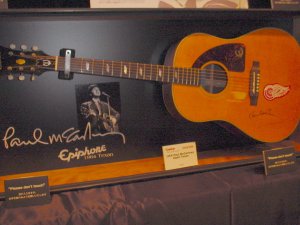
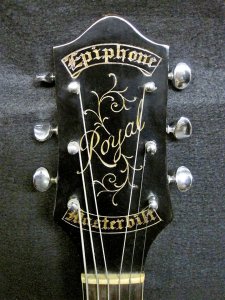
Да, все правильно с 1957 года они стали переносить производство в Каламазу.
https://www.guitarworld.com/features/epiphone-and-gibson-relationship-historyWard directed the portfolio for Epiphone, and in February 1958
had basically presented the final portfolio with prices.
And this includes flat-top acoustics.
“I think it was 30-some instruments in all.
So the strategy with all these instruments
was to use up some of the Epiphone parts that
they had inherited.
Интересная статья, раскрывает тактику маркетинга Gibson в те годы.
Особенно понравилось, что в Гибсон решили продавать Эпифоны дороже Гибсон,
чтоб их лучше брали!!!
“So it was this entire other brand that Gibson – or its parent company, CMI, effectively – could use to sell [additional] products and into dealers. For example, if there was a Gibson dealer in Indianapolis and there was another guitar dealer a block away, you couldn’t sell a Gibson in both shops, but now they had an option to sell Epiphone in one of the shops [and Gibson in the other]. So that’s how they grew the brand.“
Basically, there would need to be very little investment in the material cost.
They would also be able to sell Epiphones to dealers that Gibson was not present in because of proximity or other reasons.
.....
“Then, in terms of price points, Epiphone tended to sit a little higher than Gibson, so it was positioned more like a boutique offering. I think there was some concern that if they positioned Epiphone below Gibson then they were just competing against themselves. They purposely tried to position it just above in order to limit the volume [of orders for Epiphone guitars] since they were being handmade at the factory.”